About
The Notre Dame Sensor Initiative (NDSI) is driven by a commitment to translate scientific breakthroughs into real-world solutions that promote health equity. Our research activities are designed to bridge the critical gap between data collection and effective treatment, with the ultimate goal of addressing disparities in healthcare and improving public health outcomes. Explore more about the Sensor Initiative's ongoing projects below and on our Research page.
Key Initiatives
To achieve our mission, we are focusing on four core areas of activity that work synergistically to create a comprehensive approach to health innovation.
The Analytical Laboratory: Understanding the Evolving Health Landscape
We are establishing a state-of-the-art analytical laboratory equipped with cutting-edge technology. This facility is the foundation of our research, enabling us to deeply understand the complex and ever-changing landscape of public health challenges. Our lab provides the critical data needed to develop targeted and effective sensor technologies.
Field-Deployable Devices: Enabling Early Intervention
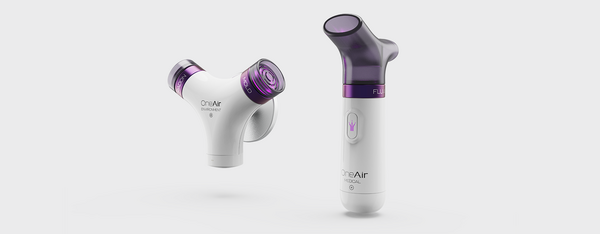
Our engineering and design teams are focused on developing advanced, user-friendly, and field-deployable devices. These portable sensors are designed to be used outside of traditional clinical settings—in homes, communities, and remote areas. By enabling early detection and rapid assessment, these devices empower both healthcare providers and individuals to make timely, informed decisions, thereby improving patient outcomes.
Nosang Myung, director of the Sensor Initiative, previously developed a powerful sensor with support from the U.S. National Science Foundation that effectively detects avian influenza. The goal of this technology is to shift from a system where farmers send samples to distant labs—a process that can take days—to one where on-site sensors provide immediate results. This dramatic reduction in response time can protect the health of animals and people while securing the livelihoods of farmers. Watch a video about this innovative technology below.
Fostering Interdisciplinary Collaboration
We recognize that the most impactful solutions come from diverse perspectives. NDSI actively cultivates interdisciplinary projects by performing gap analyses and providing seed funding to researchers across different departments and institutions. This initiative encourages novel collaborations between analytical scientists, engineers, public health experts, and sociologists to tackle complex problems in a holistic manner.

Addressing Public Health Crises: The Opioid Epidemic
NDSI is committed to supporting Notre Dame and broader public health initiatives aimed at reducing the devastating impact of the opioid crisis. Our research in sensor technology is being applied to develop tools for rapid overdose detection, substance identification, and harm reduction, providing essential support to communities on the front lines of this epidemic. This work exemplifies our dedication to applying our research to the most urgent public health issues facing our society today.
Learn more about the cross-campus partnerships that make sensor research possible by watching “ND Interdisciplinary Research on Intelligence Sensors Hypernetwork.”
With questions about our areas of focus, please get in touch. View our contact information.